Helping a Hand

I am the first to admit that most of my hobbies are realistically not the most efficient or effective way of handling something. Smart lighting and home automation are a convenience at best and really don’t provide enough utility to be a necessity; Sous-vide while amazing is not going to replace your stove or even a microwave oven; but this week I was able to take a step towards a future I hardly believe in, but many boldly claim might be an upcoming reality: home manufacturing.

With the popularity of 3D printers many media sources are calling this the start of the home manufacturing revolution. A new way of life that will be as big a change to our way of life as the industrial revolution. While I am very skeptical about this and building and operating a 3D printer has taught me that there are many, many obstacles in the way before this will be close to a reality. 3D printers today are very limited, very expensive, very slow and fairly unreliable, not to mention nowhere near as efficient as a large manufacturing run. But this week I showed myself that there is potential for a home manufacturing revolution.

As I spend most of every day sitting at a keyboard poor ergonomics and the cost of them is a real concern. Well it seems i had not been giving it proper attention as this week I started developing the wrist pain that comes from too much keyboard use. After aching through a day at work I came home and realized that I did not own a proper reinforced wrist brace to slap on until my wrist was better and I had made the necessary ergonomic improvements. While these can found online and in most drug stores I remembered a design I had seen that I wanted to try. 3D printing a wrist brace.

DSC00776[1].JPG

3D printed wrist brace

Modeling and digitally fitting a fully formed wrist brace would be a pain and would by very difficult and time consuming to print. This design, of which I found a few iterations online, is ingenious as it uses the relatively low melting temperature of one of the commonly printed plastics, PLA, to make printing and fitting much easier. The brace is modeled and printed as a flat piece and after a dip in near boiling water becomes malleable enough to be wrapped around a wrist. Once cooled it maintains this form and is stiff enough to provide support.

DSC00774[1]

The wrist brace being printed

DSC00775[1]

A flat and formed wrist brace

While certainly not as comfortable as a commercial wrist wrap it worked quit well. The model I chose had fitting s for Velcro to be used to hold the brace in place but I found wrapping a compression bandage around it worked quite well, though it covered all those pretty hexagons. The printing of each brace took a little under an hour and half and the forming took just minutes, all without leaving home. It may not have been modeled from a 3D scan of my hand but it held up for a few days until I manage to get a proper brace and it was and interesting talking point to all who noticed.

3D printers will probably not be as popular as the inkjet for decades to come, and editing a model in CAD will never be a simple a writing up a document, but there is potential for 3D printing and home manufacturing to replace as least some mass manufactured products.

Pebble Power

I still have a bunch of photos that I have not uploaded from my vacation in the mountains. So many photos that I have to carefully curate them to a succinct few for posting. While working on that I want to report on an experiment that I preformed on my 10 day trip. The Pebble Time Steel which I had recently received boasts a 10 day battery life. Coincidentally the length of the trip I was about to embark on.

Could I go the entire trip, Friday to Sunday without charging it?

2015-10-01 10.56.29

Pebble, Tracking a trek at 12,000ft

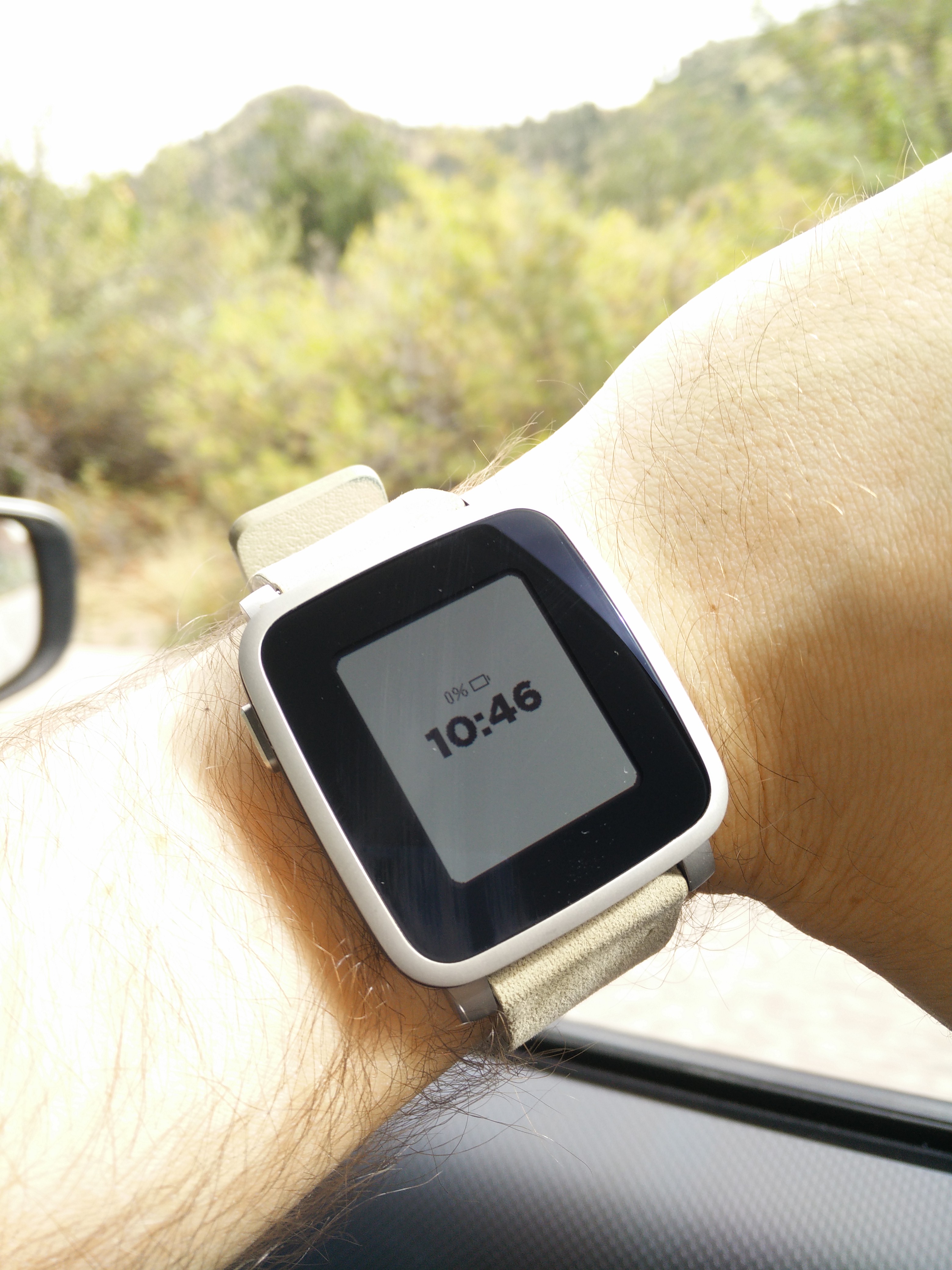
No, I couldn’t. At 10:43am on the last Saturday of the trip the watch gave out. But 9 of the promised 10 days isn’t bad.

2015-10-03 10.46.09

Interestingly enough the Pebble still functions as a regular digital watch when the battery hits zero. I wounder if it would have lasted another day in that state?

Bleeding Out on the Edge

2015-09-08 21.46.59

Last week Oculus released SDK and runtime version 0.7 to bring Virtual Reality to all us windows 10 users.

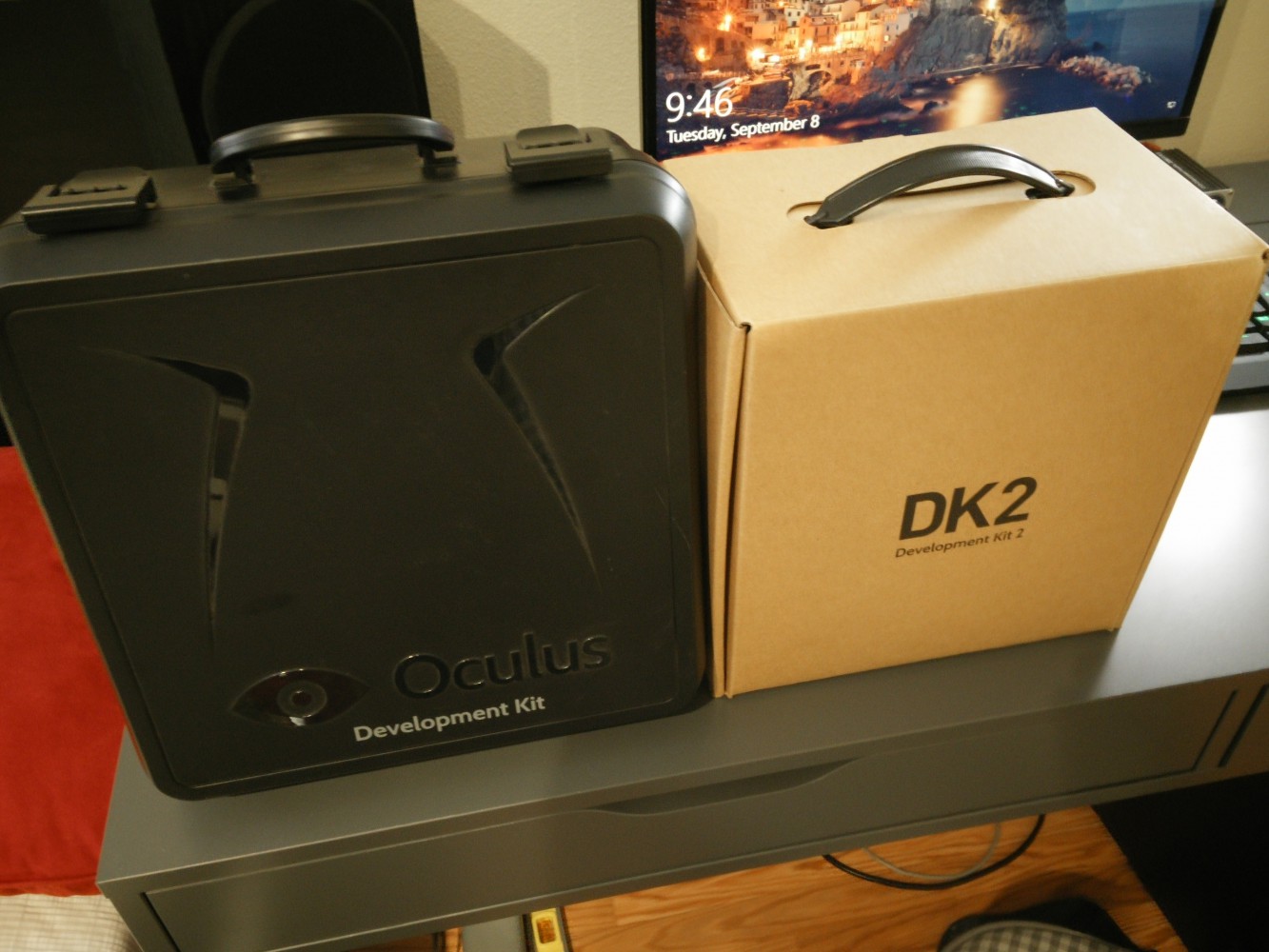
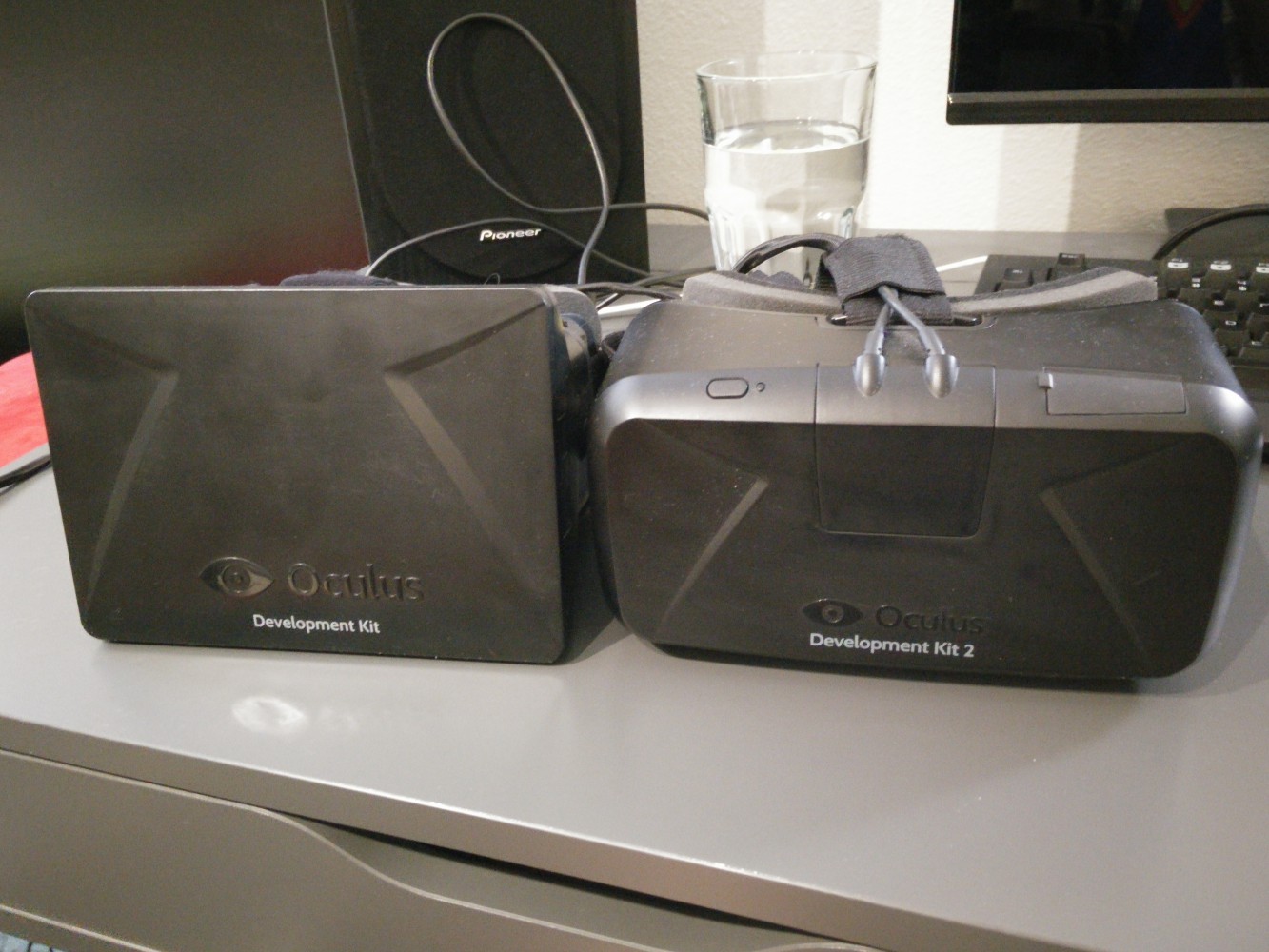
Today I got my hands on an Original kickstarter Development Kit and was ready to settle in to some Oculus time comparing the two development kits.

2015-09-08 21.48.14

Sadly after a significant time spent getting windows and the Oculus configuration utility to detect the DK2, I loaded the demo scene to find that the fastest frame rate that could be driven to the headset is around the order of 3. Not quite the 75 FPS that the system was designed for. After some researching I found that I am not the only one having this problem; the community is blaming a bad graphics driver from Nvidia, and that the unreleased latest version has the fix.

2015-09-08 21.48.23

So I am still without means of powering my own VR.